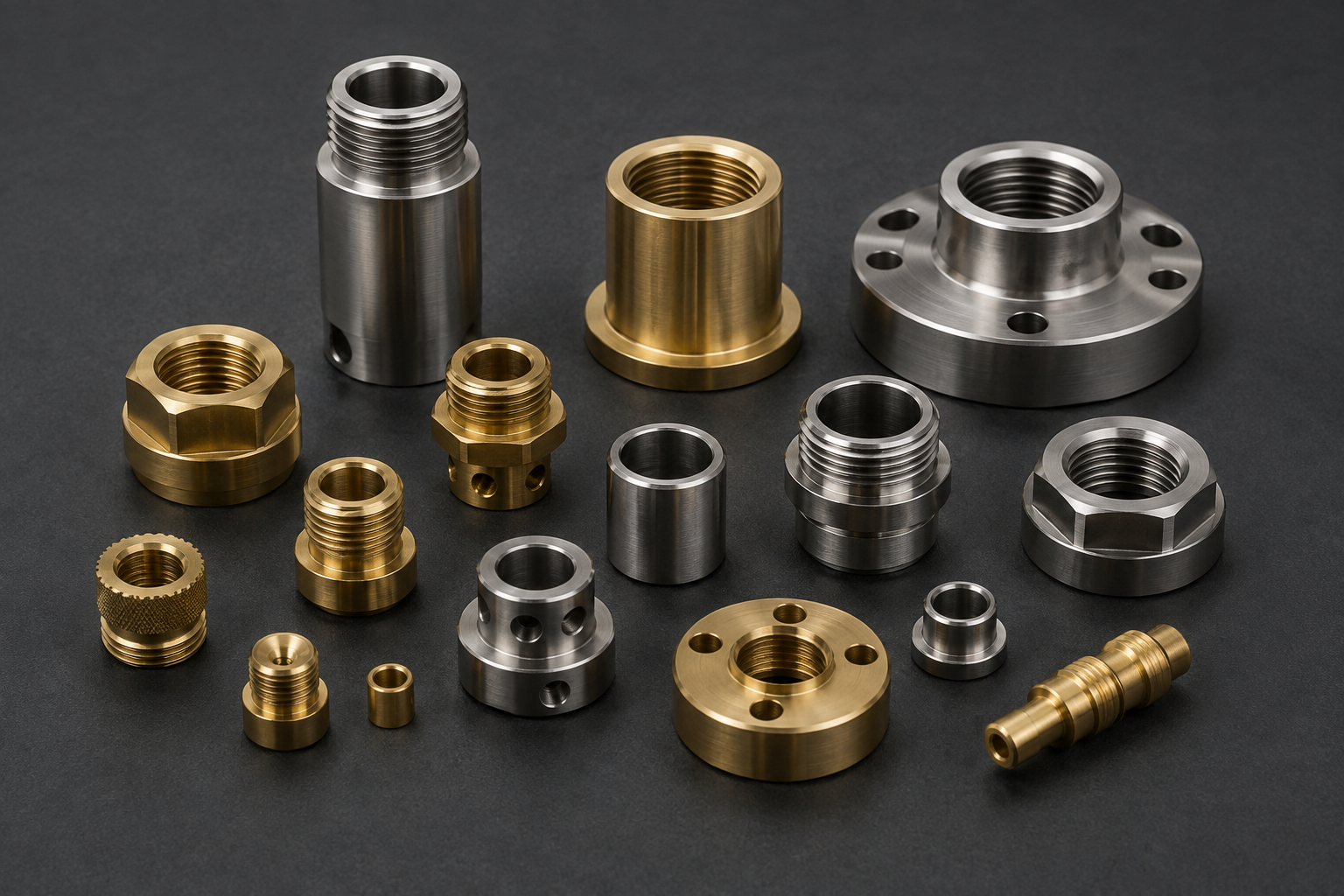
Define function, appearance, masking, final dimensions and inspection before anodizing, passivation, plating or other finishing is added to a custom part.
Specify the finished part, not only the finish name.
A useful finish callout states the base material, process or standard, functional purpose, required thickness or class, color and texture, masked areas, final critical dimensions and acceptance method. Review these items with geometry and tolerance before machining begins.
01
Start with the reason for the finish
Separate corrosion protection, wear resistance, electrical behavior, cleanability and appearance. The same general finish name can lead to different process choices when the service condition changes.
Tell the supplier whether the part is used indoors or outdoors, exposed to moisture or chemicals, assembled by thread or press fit, electrically grounded, visible to the customer or handled repeatedly.
02
Anodized aluminum: control alloy, appearance and build
Alloy and temper influence anodized appearance and performance. The Aluminum Anodizers Council also notes that anodizing changes dimensions and that bores or threads may need masking. Define the anodic requirement, thickness or class, color, gloss, texture and cosmetic surfaces.
Where appearance matters, use a physical sample or controlled color range instead of relying only on words such as black, clear or matte. AAC anodizing guidance ↗
03
Stainless-steel passivation: name the process and verification
Passivation is not a decorative coating. ASTM A967/A967M covers several chemical passivation treatments and alternative tests for confirming treatment effectiveness. If the standard applies, state the required revision, treatment or acceptance route rather than writing only “passivate.”
Surface cleaning, prior processing and verification requirements should be reviewed with the stainless grade and application. ASTM A967/A967M scope ↗
04
Plating and conversion coatings: protect critical interfaces
Zinc, nickel, tin and other deposited or conversion finishes serve different functions. The correct choice depends on the base metal, corrosion exposure, electrical needs, appearance and applicable customer or industry specification.
Mark threads, bores, sealing faces, press fits, electrical contacts and grounding locations. State whether dimensions apply before or after treatment, and define masking or plugging where coating is not permitted.
05
Black oxide and heat-related treatments need separate controls
Color alone does not define corrosion performance, hardness or wear behavior. If a steel part needs black oxide, heat treatment, case hardening or another treatment, control each requirement separately and identify hardness, case depth, post-treatment protection or test requirements where applicable.
The sequence can affect distortion and final size. Critical fits should be assessed in the finished condition rather than assumed from the machined condition.
06
Control cosmetic acceptance with visible evidence
Mark cosmetic zones on the drawing and distinguish them from hidden or functional zones. Define the viewing distance and lighting if necessary, plus acceptable handling marks, color variation, rack marks, contact points, grain direction and gloss.
A signed sample, approved photograph with controlled conditions or buyer standard can make appearance decisions clearer. Packaging should prevent finished surfaces from rubbing during shipment.
07
Plan inspection around the finish
Choose checks that match the requirement: final dimensions, visual comparison, coating thickness, adhesion, corrosion test, hardness or project-specific documentation. Do not request a test without defining its method and acceptance criteria.
Confirm whether reports are needed before quotation. See the quality-control guide for drawing revision, first article and final inspection planning.
08
Quote machining and finishing as one route
Geometry, material, deburring, surface preparation, treatment, inspection and packaging interact. A complete RFQ lets the machining allowance, protected areas, finished dimensions and external processing route be evaluated together.
CKJM reviews project-specific finishing requirements with the drawing. No finish, standard, result or document is implied until it is confirmed in the quotation and approved specification.
FINISH RFQ
Buyer checklist
Include every item that controls function, appearance or final acceptance.
01Base material, exact grade and condition
02Finish or coating process and governing standard
03Required thickness, class or type when applicable
04Color, gloss, texture and approved appearance reference
05Surfaces to finish, mask, plug or keep conductive
06Final dimensions, threads and fits affected by coating
07Corrosion, wear, conductivity or appearance objective
08Inspection method, test report and packaging requirements
Should the drawing show dimensions before or after surface treatment?
State the required final condition clearly. If a dimension, thread, bore or mating surface is critical after coating, mark it as a finished-part requirement and identify any masking or allowance needed.
Can I specify only a color name for anodizing?
A color name alone can be interpreted differently. Identify the alloy and temper, anodizing requirement, target color, gloss or texture, cosmetic surfaces, permitted variation and an approved sample or color reference when appearance is important.
Does anodizing change part dimensions?
Yes. Anodizing converts aluminum at the surface and creates an oxide layer, so critical diameters, bores and threads may change. The expected build and any masking should be reviewed with the finishing source before production.
Is stainless-steel passivation the same as electroplating?
No. Passivation is a chemical treatment used on a clean stainless-steel surface; electroplating deposits another metal. The applicable process, standard and verification method should be stated rather than using the general word finish.
What should I define for cosmetic surfaces?
Mark the visible faces and viewing condition, then define color, gloss, texture, acceptable marks, rack or contact locations and any approved reference sample. Separate functional acceptance from cosmetic acceptance.
Can CKJM coordinate machining and external finishing?
Machining, secondary operations and project-specific finishing can be reviewed as one manufacturing route. The exact treatment, standard, supplier route, documents and acceptance criteria must be confirmed during quotation.
REVIEW THE FINISHED PART
Send the drawing and finish specification.
Mark critical dimensions, cosmetic faces and masked areas, then contact Zoe for project review.